
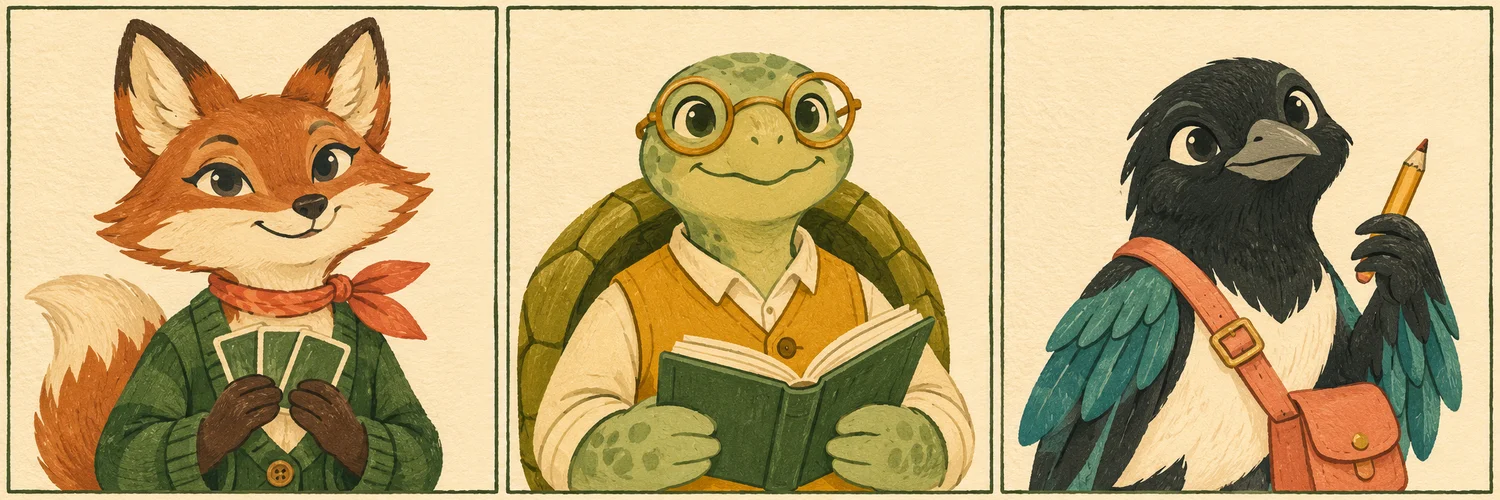
In Just One, everyone is trying to help one person guess a hidden word. The other players each write a one-word clue without consulting one another. Before the guesser sees anything, the clue writers compare their answers and hide every duplicate. Two people thinking alike can leave the guesser with less to go on.
That creates a small writing problem: your clue needs to survive the comparison and still mean something to the person reading it. Try an invented clue board for the mystery word MOON.
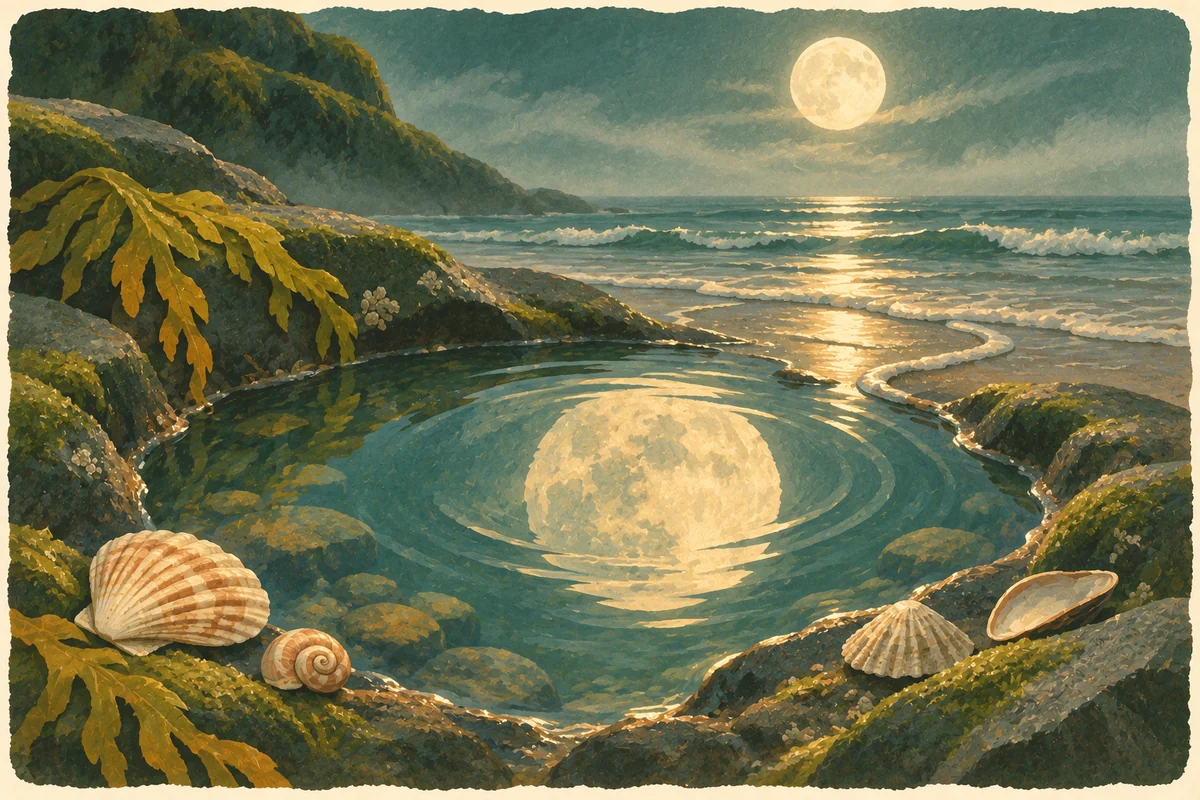
Four clues, two disappear
Imagine a five-person group: one guesser and four clue writers. The writers reveal SPACE, SPACE, TIDE and CRATER. Both SPACE clues are hidden. The guesser gets TIDE and CRATER, with no chance to ask what the missing clues were.
TIDE supplies a connection to the sea and its movement. CRATER supplies a connection to a pitted surface. Together they can point toward the moon more clearly than either does alone. TIDE on its own could send someone toward the ocean; CRATER could send them toward a volcano. The useful part is how the two clues narrow each other’s possibilities.
| Written clues | What the guesser sees |
|---|---|
| SPACE · SPACE · TIDE · CRATER | TIDE · CRATER |
Now change one word
Replace CRATER with NIGHT. It is a familiar word that suggests when someone might see the moon. After the two SPACE clues disappear, the guesser would see TIDE and NIGHT: something connected to the sea that they might also associate with the night sky.
NIGHT could suggest plenty of other answers on its own, such as sleep or darkness. TIDE helps the guesser narrow those down. CRATER describes what the moon looks like; NIGHT approaches the same answer through when we see it. You can try a different connection without reaching for a word the guesser may never have heard.
NIGHT is still a clue another player might choose. Before writing it, think about whether the guesser could connect it to the answer. You can make that judgment even though you cannot know what the other writers will put down.
Think about the other writers, without making a plan
If SPACE is your first thought, take a moment to consider a feature of the moon, something it affects or when you might see it. Choose your clue on your own. Agreeing in advance that one person will describe its appearance and another will choose a time of day would remove the uncertainty that makes this choice interesting. Sometimes you will write the same word as someone else, and both clues will disappear. That is part of the game.
Changing the spelling or making a word plural will not save a duplicate. The rules also cancel matching variants and words from the same family. Choosing a different connection, such as NIGHT instead of CRATER, can give the guesser another way to work out the answer.
When you next write a clue, ask yourself whether the person guessing will understand the connection. Then see what happens when everyone reveals their words. Even in this small MOON example, losing SPACE leaves two clues that can still lead to the answer. If you enjoy seeing how other people think, that is a reason to try Just One: a familiar word can prompt several different ideas, and the guesser gets to piece together the ones that remain.
Explore further
The game pages below include overviews, rulebook links and teaching videos.